Best Makita Drill: The Complete Guide to Choosing the Right Cordless Driver-Drill for Your Shop
A deep, no-fluff comparison of Makita’s top 18V LXT driver-drills and hammer drills — built for homeowners, remodelers, and full-time tradespeople who don’t want to guess.
Introduction: Finding the Best Makita Drill for Your Work
Walk into any job site trailer, and there’s a good chance you’ll spot at least one teal-and-black Makita drill clipped to a tool belt or tossed in a bag next to a stack of spade bits. Makita has spent decades building a reputation among electricians, carpenters, remodelers, and serious DIYers as a brand that prioritizes real-world durability over flashy marketing. But “best Makita drill” isn’t a single answer — it depends heavily on what you’re driving screws into, how often you use the tool, and whether you need masonry capability baked in.
This guide breaks down seven of Makita’s most popular 18V LXT driver-drills and hammer drills, comparing torque output, chuck size, battery compatibility, weight, and price-to-performance. Whether you’re assembling a two-tool combo kit for a home workshop or replacing a worn-out drill on a contractor’s truck, you’ll find a model here that fits.
If you’re still weighing drills against other brands before committing to Makita specifically, our general guide to the best drills for DIY and pro use is a good starting point for context on what separates budget tools from professional-grade ones.
Ready to see our top overall pick?
Check Price on AmazonWhy Makita Drills Earn Their Reputation
Makita’s LXT lineup has been refined over multiple generations, and the company’s decision to standardize its 18V battery platform across hundreds of tools is one of the biggest reasons professionals stick with the brand. Once you own a couple of LXT batteries and a charger, every new drill, driver, saw, or blower you add to the collection just works — no separate charger, no adapter, no guessing which pack fits which tool.
Beyond battery ecosystem convenience, Makita’s brushless motor technology (found in most of the drills on this list) delivers noticeably better runtime and more consistent power delivery than older brushed designs. Brushless motors generate less heat, suffer less wear over time, and let Makita tune each drill’s electronics for smoother speed ramp-up — something you’ll notice immediately when driving long deck screws or drilling through hardwood.
Build quality is another factor. Makita drills tend to use metal gear housings in the higher-end models, rubberized overmold grips for comfort during extended use, and LED work lights positioned to actually illuminate the bit rather than just glow decoratively. None of this is groundbreaking on its own, but combined, it’s why Makita consistently ranks alongside Dewalt, Milwaukee, and Bosch in professional surveys. If you want to see how those rivals stack up individually, check out our breakdowns of the best Dewalt drill, best Milwaukee drill, and best Bosch drill lineups.
Quick Picks: Top Makita Drills at a Glance
Short on time? Here’s the fast breakdown of every model covered in this guide, ranked by overall value and capability.
| Model | Type | Torque | Battery | Best For |
|---|---|---|---|---|
| Makita XT269T Combo Kit | Hammer Drill + Impact Driver | 530 in-lbs | 5.0Ah | Full toolkit starters |
| Makita XFD131 | Driver-Drill | 440 in-lbs | 3.0Ah | Best all-around value |
| Makita XPH14Z | Hammer Driver-Drill | 530 in-lbs | Bare tool | Masonry & heavy tasks |
| Makita XFD14Z | Driver-Drill | 530 in-lbs | Bare tool | Upgraders with batteries already |
| Makita XPH10Z | Hammer Driver-Drill | 480 in-lbs | Bare tool | Budget-conscious pros |
| Makita XFD10Z | Driver-Drill | 440 in-lbs | Bare tool | Light daily driving tasks |
| Makita XPH12Z | Compact Hammer Driver-Drill | 530 in-lbs | Bare tool | Tight-space work |
In-Depth Reviews of the Best Makita Drills
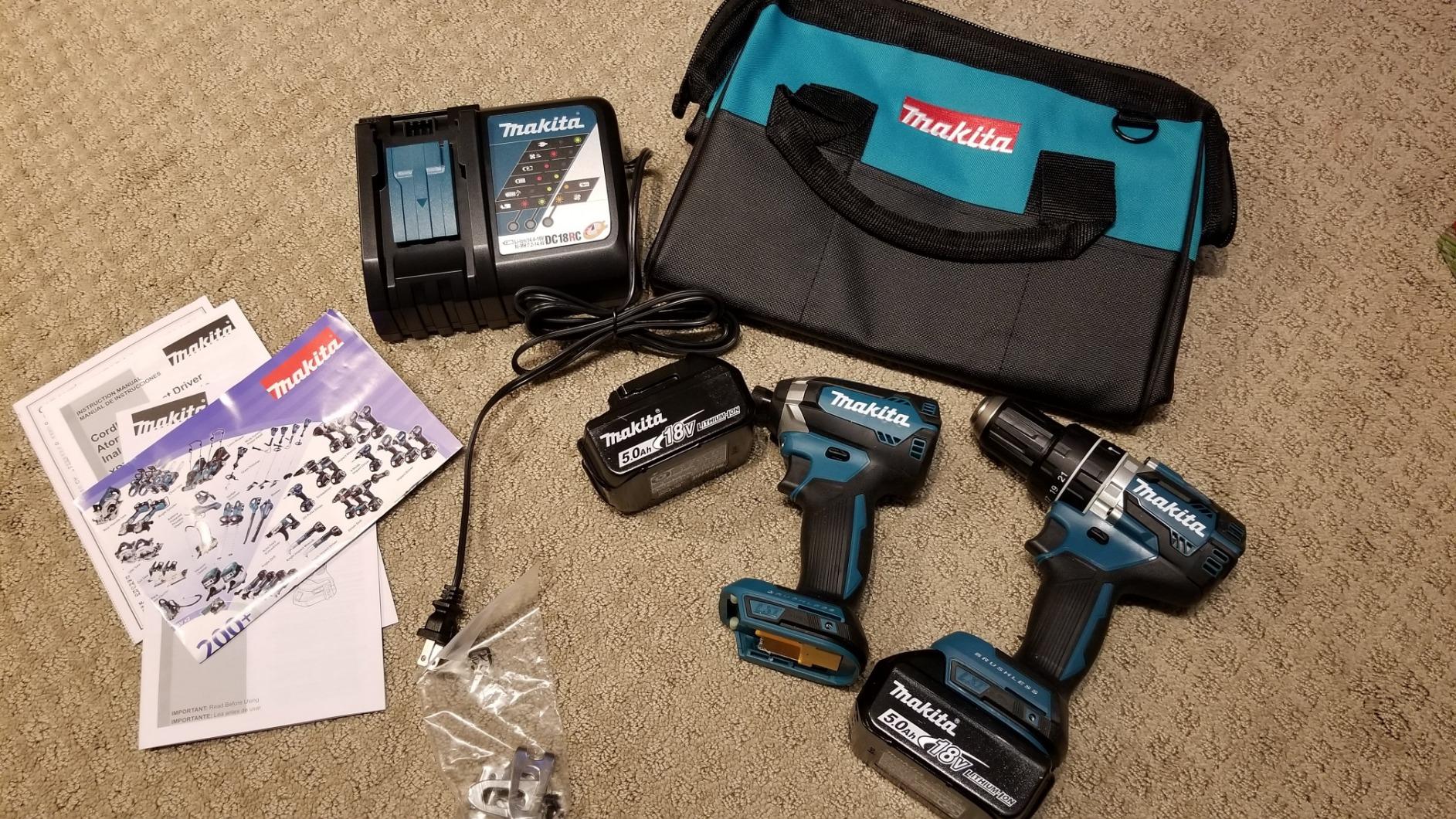
Makita XT269T 18V LXT Lithium-Ion Brushless Cordless 2-Pc. Combo Kit (5.0Ah)

If you’re starting from scratch and want a complete, no-compromise setup, the XT269T combo kit pairs a hammer driver-drill with an impact driver, both running brushless motors and backed by two 5.0Ah batteries. This is the kit most professionals recommend to someone furnishing a new truck or building out a first serious tool collection, because it eliminates the guesswork of matching separate purchases.
The hammer drill side delivers 530 in-lbs of torque with a two-speed gearbox (0-600 / 0-2,000 RPM), while the impact driver hits four-mode variable speed control for delicate trim work through heavy lag-bolt driving. Both tools share the same battery platform, so you’re never left waiting on a charge mid-project.
Pros
- Two full-power tools in one purchase
- 5.0Ah batteries provide excellent runtime
- Rapid charger included
- Metal belt clips on both tools
Cons
- Higher upfront price than single-tool kits
- Case is bulky for smaller toolboxes
Makita XT269T Combo Kit
Check Price on AmazonMakita XFD131 18V LXT Lithium-Ion Brushless Cordless 1/2″ Driver-Drill Kit (3.0Ah)

The XFD131 is the drill we point most homeowners and weekend renovators toward. It skips hammer functionality (which most people never use anyway) in favor of a lighter, more compact body that’s easier to control one-handed on ladders or in cabinets. Torque tops out around 440 in-lbs, which comfortably covers deck building, furniture assembly, and general framing.
The kit ships with two 3.0Ah batteries and a charger, keeping the price reasonable without skimping on runtime for typical weekend projects. If you’re unsure whether you even need hammer capability, our drill vs impact driver comparison can help clarify what tool category actually matches your tasks.
Pros
- Lightweight and easy to maneuver
- Excellent price-to-performance ratio
- Compact head length fits tight spaces
Cons
- No hammer mode for masonry work
- 3.0Ah batteries are smaller than 5.0Ah packs
Makita XFD131 Driver-Drill Kit
Check Price on AmazonMakita XPH14Z 18V LXT Lithium-Ion Brushless Cordless 1/2″ Hammer Driver-Drill

The XPH14Z is a bare-tool hammer driver-drill built for people who already own LXT batteries and want to add masonry capability to their kit. With 530 in-lbs of torque and a proper hammer mechanism, it drives anchors into brick and block far more efficiently than a standard drill ever could.
Being sold bare-tool keeps the price down for anyone expanding an existing battery ecosystem, which is one of the biggest advantages of staying within a single tool platform over time.
Pros
- True hammer mode for concrete and brick
- Strong 530 in-lbs torque rating
- Bare-tool pricing for existing LXT owners
Cons
- No battery or charger included
- Slightly heavier than non-hammer models
Makita XPH14Z Hammer Driver-Drill
Check Price on AmazonMakita XFD14Z 18V LXT Lithium-Ion Brushless Cordless 1/2″ Driver-Drill

Essentially the non-hammer sibling of the XPH14Z, the XFD14Z delivers the same 530 in-lbs torque figure in a slightly lighter package. This is the drill to grab if you already know you’ll never need hammer mode and just want the strongest standard driver-drill Makita currently offers, without paying for a feature you won’t use.
Pros
- Top-tier torque for a non-hammer model
- Lighter than hammer-equipped counterparts
- Great for framing and deck work
Cons
- Bare tool only — batteries sold separately
- No masonry capability
Makita XFD14Z Driver-Drill
Check Price on AmazonMakita XPH10Z 18V LXT Lithium-Ion Cordless 1/2″ Hammer Driver-Drill

The XPH10Z brings hammer functionality down to a more accessible price point at 480 in-lbs of torque. It’s a slightly older platform than the XPH14Z but still holds up well for occasional masonry tasks and general home repair. It’s a smart pick for someone who wants hammer capability without paying for the top-tier torque figures they may never fully use.
Pros
- Hammer mode at a lower price
- Reliable two-speed gearbox
- Comfortable grip for extended use
Cons
- Lower torque ceiling than newer models
- Bare tool — no battery included
Makita XPH10Z Hammer Driver-Drill
Check Price on AmazonMakita XFD10Z 18V LXT Lithium-Ion Cordless Driver-Drill
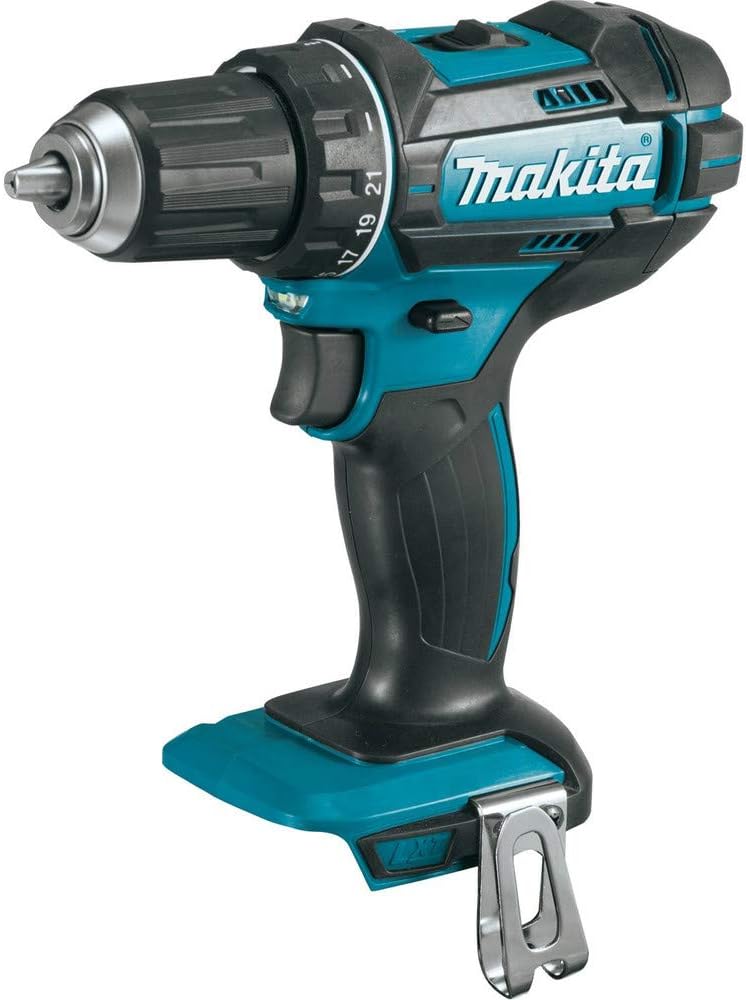
For light-duty daily tasks — hanging shelves, assembling furniture, driving the occasional deck screw — the XFD10Z offers 440 in-lbs of torque in a compact, budget-friendly bare tool. It won’t win any specs battles against the newer XFD14Z, but for casual users it’s more than capable and typically priced lower.
Pros
- Affordable entry point into the LXT lineup
- Compact and lightweight
- Two-speed gearbox for versatility
Cons
- Lower torque than higher-end models
- Not ideal for heavy daily professional use
Makita XFD10Z Driver-Drill
Check Price on AmazonMakita XPH12Z 18V LXT Lithium-Ion Compact Brushless Cordless 1/2″ Hammer Driver-Drill

When space is tight — think electrical boxes, cabinet interiors, or overhead work — the XPH12Z’s compact body pays off. It still delivers 530 in-lbs of torque and full hammer functionality but in a shorter, better-balanced housing that reduces fatigue during overhead or awkward-angle drilling.
Pros
- Compact design for tight workspaces
- Full 530 in-lbs torque despite smaller size
- Reduced fatigue on overhead tasks
Cons
- Bare tool only
- Compact grip may feel small for larger hands
Makita XPH12Z Compact Hammer Driver-Drill
Check Price on AmazonMakita Drill Buying Guide: What Actually Matters
Specs sheets can make every drill look impressive, but only a handful of factors genuinely determine whether a drill will serve you well over years of use. Torque output matters most if you regularly drive large fasteners or drill through dense hardwood — anything below 400 in-lbs will start to feel underpowered for framing-adjacent work, while 500+ in-lbs covers nearly everything short of true impact-driver territory.
Chuck size is a smaller but still relevant detail. All the drills in this roundup use a 1/2″ keyless chuck, which accepts the vast majority of bit shanks you’ll encounter. Weight matters more than people expect, especially for overhead work or long days — a half-pound difference between models becomes noticeable after the fiftieth screw.
Finally, think about your existing battery ecosystem. If you already own Makita 18V LXT batteries from another tool, buying bare-tool versions of these drills saves real money over kit purchases. If you’re starting from zero, a combo kit like the XT269T is almost always the better value.
Brushless Motors Explained
Most of the drills covered here use brushless motor technology, and it’s worth understanding why that matters beyond marketing copy. Traditional brushed motors rely on physical carbon brushes that make contact with a spinning commutator, generating friction, heat, and gradual wear every time the tool runs. Over years of heavy use, those brushes wear down and need replacement, and the friction itself bleeds off usable energy as heat instead of torque.
Brushless motors replace that mechanical contact with electronic commutation, controlled by a small onboard computer that manages power delivery. The result is a motor that runs cooler, lasts longer without maintenance, and — critically — delivers more of the battery’s stored energy directly to torque output rather than losing it to friction. In practical terms, a brushless Makita drill will generally outlast a comparable brushed model by years and squeeze noticeably more runtime out of the same battery pack.
Battery and Charger Considerations
Makita’s 18V LXT batteries come in several capacities, most commonly 2.0Ah, 3.0Ah, 4.0Ah, and 5.0Ah packs. Higher amp-hour ratings mean longer runtime between charges but also added weight on the tool — a 5.0Ah pack can add noticeable heft compared to a 2.0Ah pack during extended overhead work. For most users, 3.0Ah strikes the best balance of runtime and weight, which is why it’s the pack bundled with the XFD131 kit above.
| Battery Size | Approx. Runtime | Best For |
|---|---|---|
| 2.0Ah | Short bursts | Light DIY tasks |
| 3.0Ah | Moderate | General home & light pro use |
| 4.0Ah | Extended | Daily professional use |
| 5.0Ah | Longest | All-day job site work |
Makita’s rapid chargers typically bring a depleted 3.0Ah pack back to full in well under an hour, which is fast enough that most users never truly run out of usable battery during a normal work session as long as they own at least two packs.
Hammer Drill vs Standard Driver-Drill
Three of the seven models in this guide — the XPH14Z, XPH10Z, and XPH12Z — include a hammer mechanism, while the rest are standard driver-drills. The difference isn’t just a spec sheet checkbox. Hammer mode adds a rapid, controlled hammering action behind the rotational drilling motion, which is specifically what allows a drill bit to bite into masonry, brick, or concrete block. Without it, drilling into these materials is slow, generates excess heat, and wears out bits far faster.
If your projects are entirely wood, drywall, and metal, a standard driver-drill like the XFD131 or XFD14Z is lighter and just as capable for those tasks — you’re not missing anything by skipping hammer mode. But if there’s any chance you’ll be anchoring a ledger board into a concrete foundation or mounting a shelf bracket into brick veneer, the extra capability is worth the modest weight and price premium.
Understanding Torque and Clutch Settings
Every drill in this lineup includes an adjustable clutch — usually numbered from 1 through 21 or 22, plus a drill-only setting. The clutch limits how much torque the tool applies before the chuck disengages from the motor, preventing over-driven screws, stripped heads, or split wood. Lower numbers apply less torque and suit delicate work like cabinet hardware or thin trim, while higher numbers ramp up for structural framing screws.
New users often skip this setting entirely and run everything on max torque, which is the fastest way to strip screw heads or blow through drywall. Spend five minutes testing clutch settings on scrap material before starting a new project — it saves both material and frustration once you dial in the right setting for your fastener size.
Professional Use vs DIY Use
Full-time contractors and remodelers should lean toward the higher-torque, brushless models — the XT269T combo kit, XPH14Z, or XFD14Z — since these tools see daily use across multiple job sites and benefit most from brushless durability and higher amp-hour batteries. The upfront cost difference pays for itself in reduced downtime and longer tool life.
Weekend DIYers and homeowners tackling occasional projects are usually better served by the XFD131 or XFD10Z. These lighter, more affordable options handle furniture assembly, shelf mounting, and small repairs without the added bulk or cost of professional-grade torque you’ll rarely tap into. If you want a broader sense of which tool category fits your workload before committing to a drill purchase, our guide on drill vs impact driver differences is worth a quick read.
Maintenance Tips to Extend Your Drill’s Life
Even brushless Makita drills benefit from basic care. Keep the chuck free of sawdust and debris by occasionally opening and closing it fully while blowing out trapped particles with compressed air. Store batteries at partial charge rather than fully depleted or fully topped off if the tool will sit unused for weeks, since lithium-ion cells degrade faster at either extreme over long storage periods.
Avoid leaving batteries in direct sunlight or a hot truck cab, as heat is one of the fastest ways to shorten lithium-ion battery lifespan. If you ever notice your drill producing excessive heat or an unusual smell during use, stop immediately and inspect it — our article on why a drill might be smoking walks through the most common causes and what to check first.
Recommended Accessories for Your Makita Drill
A good drill is only half the equation — the right bits and accessories determine how efficiently you actually work. A quality titanium-coated drill bit set covers most wood and light metal drilling needs, while a dedicated masonry bit set is essential if you’re running one of the hammer-equipped models above. Magnetic bit holders speed up repetitive screw-driving tasks significantly, and a second battery pack is one of the highest-value accessory purchases you can make, since it eliminates mid-project charging delays entirely.
If you’re new to cordless drilling in general, our foundational guide on how to use a drill covers proper technique, bit selection, and safety basics worth reviewing before tackling a bigger project.
Makita vs Other Leading Drill Brands
Makita competes most directly with Dewalt, Milwaukee, Bosch, and Ryobi in the cordless drill space, and the honest answer is that all four brands make genuinely good tools at the professional tier. Dewalt tends to edge out slightly in raw torque figures on flagship models, Milwaukee often leads in battery ecosystem breadth for heavy-duty trade tools, and Bosch is frequently praised for ergonomics and vibration control. Ryobi, meanwhile, targets the budget-conscious homeowner market rather than competing directly at the professional tier.
Where Makita consistently stands out is balance — strong torque, reliable brushless motors, reasonable weight, and a battery platform that spans an enormous range of tools without constant firmware or compatibility headaches. For a closer look at how the alternatives stack up individually, see our best Dewalt drill, best Milwaukee drill, best Bosch drill, and best Ryobi drill comparisons. It’s also worth understanding the broader tradeoffs between cordless and corded tools before you commit — our corded vs cordless drill guide breaks that down in detail.
Frequently Asked Questions
The XPH14Z, XFD14Z, and XPH12Z all share the top torque rating of 530 in-lbs, making them the strongest standard driver-drills covered here. The XT269T combo kit’s hammer drill also matches that 530 in-lbs figure.
Most home projects — furniture assembly, shelving, deck building — don’t require hammer mode. It’s only necessary when drilling into concrete, brick, or block masonry.
Yes, all seven models run on Makita’s 18V LXT battery platform, so any LXT battery you already own will fit and power these tools.
Only if you already own compatible batteries and a charger. First-time buyers are usually better served by a kit, such as the XFD131 or XT269T combo, which includes everything needed to start working immediately.
The XFD14Z offers higher torque (530 in-lbs vs 440 in-lbs) and is sold as a bare tool, while the XFD131 comes as a complete kit with batteries and charger at a lower torque ceiling suited to general use.
With proper storage and charging habits, LXT batteries commonly last several years of regular use before capacity noticeably declines, though heavy daily professional use will shorten that timeline.
Makita tools are designed around Makita’s own LXT battery platform, and using non-Makita batteries can void warranty coverage and isn’t recommended for reliable performance.
For structural deck screws and ledger boards, aim for a drill with at least 440-530 in-lbs of torque, such as the XFD131, XFD14Z, or the drills in the XT269T combo kit.
No, the XPH12Z matches the 530 in-lbs torque rating of the larger XPH14Z despite its smaller housing, making it a strong option when space is limited without sacrificing power.
Test on scrap material first, starting at a low clutch number and increasing gradually until the screw drives fully without stripping the head or over-driving into the material.
Combo kits like the XT269T make sense if you’re starting fresh, since they include batteries and a charger. If you already own LXT batteries, bare tools like the XPH14Z or XFD14Z are more cost-effective.
Hammer-equipped models are generally slightly heavier due to the added mechanism, though the difference is usually modest — well under a pound in most cases — and rarely noticeable during short tasks.
Final Verdict: Which Makita Drill Should You Buy?
If you’re building a toolkit from zero, the Makita XT269T combo kit remains the smartest overall purchase — two capable, brushless tools and strong 5.0Ah batteries in one box. Homeowners and casual DIYers get outstanding value from the XFD131, while anyone needing masonry capability should look at the XPH14Z or the space-saving XPH12Z. Already own LXT batteries and just want maximum torque? The XFD14Z is the clear pick.
See Current Prices on Amazon