Cordless Platform Showdown
Ryobi vs Milwaukee: Which Cordless Tool Platform Is Worth Your Money?
The value champion against the professional heavyweight. We compare twelve tools across six categories — drills, hammer drills, impact drivers, circular saws and impact wrenches — and break down the battery platform, motor technology and long-term ownership math behind both brands.


Ryobi and Milwaukee sit at opposite ends of the cordless tool spectrum — and yet the question “which one should I buy?” comes up constantly, because the gap between them is not nearly as wide as it used to be.
Milwaukee built its reputation on professional jobsites. The M18 FUEL line is the reference point for many tradespeople: tools designed to run all day, take punishment, and deliver force that used to require a cord or an air hose. If you want to see where Milwaukee sits against its closest rival, our DeWalt vs Milwaukee comparison is the natural companion to this article.
Ryobi, meanwhile, has spent years building the most accessible serious cordless platform on the market. The ONE+ system is enormous — one battery footprint spanning hundreds of tools, from drills and saws to workshop lights and fans — and the HP brushless tier has genuinely narrowed the performance gap with professional brands for many common tasks. For homeowners, DIYers and anyone building a workshop on a realistic budget, that combination is enormously appealing.
But appealing and equivalent are not the same thing. Milwaukee’s premium tools are engineered with internal components, electronics and protective features designed for continuous commercial use. Ryobi’s HP tools are engineered to deliver excellent everyday performance at a friendlier price. Understanding where those philosophies diverge is the whole point of this comparison.
Below, we go category by category — starter drill/driver kits, compact drills, hammer drills, impact drivers, circular saws and impact wrenches — with a full review block for every tool listed above. Then we dig into the platform questions underneath it all: battery compatibility, motor design, build quality, warranty and true ownership cost. By the end you will know exactly which brand fits the work you actually do. Our power tool brands guide gives you the wider landscape if you are still surveying the market.

Comparing Both Brands Today?
Check current listings before the best bundles disappear.
Compare Prices on AmazonQuick Comparison: Our Top Picks
All twelve tools covered in this article appear below so you can scan the entire field at once. Rankings reflect overall versatility and usefulness within the wider comparison — not laboratory measurements.
| # | Image | Product | Key Specs | Verdict | Check Price |
|---|---|---|---|---|---|
| 1Top Pick |  |
Milwaukee M18 FUEL 1/4″ Hex Impact Driver (2953-20)Best Overall |
|
The tool most pros reach for first, every time. | Check Price on Amazon |
| 2 |  |
Milwaukee M18 FUEL Impact Wrench (2767-20)Best for Heavy Fasteners |
|
Removes fasteners other wrenches give up on. | Check Price on Amazon |
| 3 | 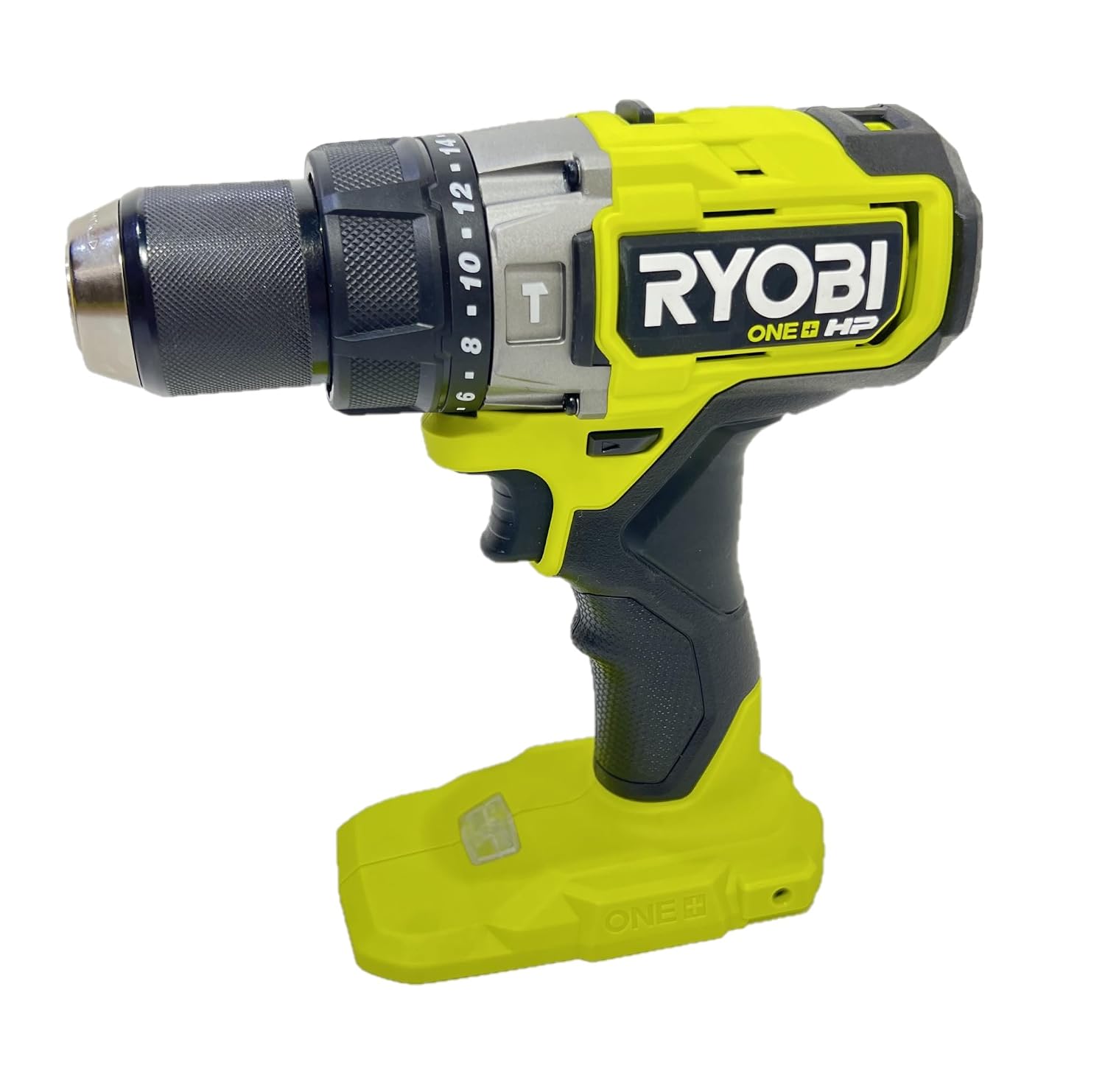 |
Ryobi ONE+ HP 18V Brushless 1/2″ Hammer Drill (PBLHM101B)Best Value Hammer Drill |
|
Masonry capability without the professional price tag. | Check Price on Amazon |
| 4 |  |
Milwaukee M18 FUEL 1/2″ Hammer DrillBest Pro Hammer Drill |
|
Concrete-ready power built for daily abuse. | Check Price on Amazon |
| 5 | |
Ryobi ONE+ HP 18V Brushless 7-1/4″ Circular Saw (PBLCS302)Best Value Circular Saw |
|
Full-size cordless cutting for real-world budgets. | Check Price on Amazon |
| 6 |  |
Milwaukee M18 FUEL 7-1/4″ Circular SawBest Pro Circular Saw |
|
Cordless cutting that keeps up with framing crews. | Check Price on Amazon |
| 7 |  |
Ryobi ONE+ HP 18V Brushless 1/4″ 4-Mode Impact Driver (PBLID02B)Best Value Impact Driver |
|
Serious driving performance at a friendly price. | Check Price on Amazon |
| 8 | |
Ryobi ONE+ HP 18V Brushless 1/2″ Drill/Driver Kit (PBLDD01)Best Starter Kit |
|
The smartest first purchase for most homeowners. | Check Price on Amazon |
| 9 | |
Milwaukee M18 FUEL 1/2″ Drill/Driver KitBest Pro Kit |
|
Everything a working tradesperson actually needs. | Check Price on Amazon |
| 10 |  |
Ryobi ONE+ HP 18V Brushless Compact Drill/Driver (PSBDD01)Best Compact Ryobi |
|
Light, nimble and ideal for tight, repetitive work. | Check Price on Amazon |
| 11 |  |
Milwaukee M18 FUEL 1/2″ Drill/DriverBest Bare Pro Drill |
|
A pro-grade drill for crews already on M18. | Check Price on Amazon |
| 12 | |
Ryobi ONE+ HP 18V Brushless 4-Mode 1/2″ High Torque Impact WrenchBest Value Impact Wrench |
|
Mechanic-level capability for the home garage. | Check Price on Amazon |
Not Sure Which Category to Start With?
Begin with the tool you will use most this month.
Browse Drill Kits1. Two Brands With Two Very Different Missions
Ryobi and Milwaukee are not really competing for the same customer — they are competing for the same dollar at different stages of a person’s tool journey.
Think of it this way. Ryobi’s job is to make cordless tools accessible enough that a homeowner can own ten of them instead of two. Milwaukee’s job is to make tools that survive being used for forty hours a week by someone who gets paid to use them. Those two missions produce noticeably different engineering decisions, even when the tools look similar on a shelf.
Ryobi’s ONE+ platform is one of the widest cordless ecosystems in existence. The same battery that runs a drill in the morning runs a hedge trimmer, a work light and a radio in the afternoon. That breadth is the brand’s superpower: once you own a pack and a charger, every additional tool becomes a comparatively small purchase. The HP brushless tier takes that accessibility and adds genuinely capable motor technology, which is why tools like the PBLHM101B hammer drill and PBLCS302 circular saw punch well above their price category.
Milwaukee’s M18 FUEL line is built with a narrower and more demanding brief. FUEL tools use brushless motors with electronics designed to protect the tool under sustained load, and the housings are made for impact, dust and weather. Tradespeople choose Milwaukee because the tool is expected to work every single day for years — not because it wins a spec sheet comparison on a Saturday afternoon.
The Honest Framing
This is not a “good versus bad” comparison. It is “excellent value versus professional endurance.” A Ryobi HP tool can outperform a Milwaukee tool in the wrong category, and a Milwaukee tool is wasteful overkill for someone who hangs shelves twice a year. Match the tool to the work.
Where does that leave the decision? Usually at one of two places. Either you are buying your first serious cordless tools and want maximum coverage per dollar — in which case Ryobi’s platform math is very persuasive — or you are buying tools that must earn money daily and cannot afford downtime, in which case Milwaukee’s engineering philosophy is the safer investment. Our brushless vs brushed motor guide explains the motor difference that sits underneath both brands’ premium tiers.
2. Drill/Driver Kits: Ryobi PBLDD01 vs Milwaukee M18 FUEL
This is the matchup most buyers encounter first, and it is the clearest illustration of the two brands’ priorities.
A drill/driver kit is the tool that starts the relationship. Get it right and you stay on that platform for years. Both of these kits are brushless and both are built around a 1/2″ chuck — but they arrive at that shared spec from very different directions.
| # | Image | Product | Key Specs | Verdict | Check Price |
|---|---|---|---|---|---|
| 1 | |
Ryobi ONE+ HP 18V Brushless 1/2″ Drill/Driver Kit (PBLDD01)Best Starter Kit |
|
Maximizes what you get per dollar spent. | Check Price on Amazon |
| 2 | |
Milwaukee M18 FUEL 1/2″ Drill/Driver KitBest Pro Kit |
|
Built to be used hard, daily, for years. | Check Price on Amazon |
Ryobi
Ryobi ONE+ HP 18V Brushless 1/2″ Drill/Driver Kit (PBLDD01)
Best For: Homeowners and DIYers building a complete tool collection
The PBLDD01 is the argument for Ryobi in a single box. It gives you a brushless motor, a proper 1/2″ chuck and a complete kit format — and it does so while leaving meaningful budget left over for the next three tools you are inevitably going to want. That is the real value proposition here: not one cheap tool, but one good tool plus the headroom to keep building.
In daily household and workshop use, this drill handles everything from assembling cabinetry to drilling into framing lumber with confidence. The brushless motor delivers the kind of efficiency and runtime consistency that cheaper brushed drills simply cannot match, and the ONE+ battery behind it will run an enormous range of other tools when you are done.
Key Features
- Brushless HP motor for efficient, consistent performance
- 1/2″ chuck sized for real drilling and driving work
- Complete kit format ready to use out of the box
- Runs on the expansive ONE+ 18V battery platform
Pros
- Excellent value for the capability delivered
- Huge ecosystem of compatible tools
- Brushless motor at a sensible price
- Great first step into cordless
Cons
- Less refined than premium pro models
- Not designed for continuous commercial duty
Who it’s best for: Homeowners, hobbyists and first-time buyers who want maximum tool coverage per dollar.
Check Price on Amazon
Milwaukee
Milwaukee M18 FUEL 1/2″ Drill/Driver Kit
Best For: Working professionals who need a drill that never lets them down
This is a professional tool kit in the truest sense. Everything about the M18 FUEL drill/driver is oriented toward sustained, demanding use: the motor is built to hold output under load, the housing is made to survive being knocked around a jobsite, and the chuck grips with the kind of authority that matters when you are running larger bits all day.
What separates FUEL from ordinary brushless tools is not just the motor — it is the electronics and internal protection designed around heavy workloads. That engineering shows up as consistency: the tool behaves the same way at the end of a long day as it did at the start. For someone whose income depends on that consistency, it is money well spent.
Key Features
- FUEL brushless motor engineered for sustained professional workloads
- 1/2″ chuck with strong retention under vibration
- Rugged housing built for jobsite conditions
- Full compatibility with the M18 battery platform
Pros
- Outstanding durability and consistency
- Strong performance under sustained load
- Huge professional ecosystem and support
Cons
- Meaningful price premium over value brands
- More capability than casual users will ever need
Who it’s best for: Contractors, tradespeople and anyone whose drill has to work every single working day.
Check Price on AmazonHow this one plays out: The Ryobi wins the value argument decisively; the Milwaukee wins the endurance argument decisively. If you drill on weekends and evenings, the PBLDD01 is genuinely difficult to argue against. If you drill for a living, the M18 FUEL pays for itself in reliability. For more kit options, see our best drills for DIY and pro use roundup, our best cordless drill guide, and the corded vs cordless drill comparison if you are still deciding whether to cut the cord.
Ready to Start Your Collection?
The Ryobi PBLDD01 is our value pick for first-time buyers.
Check Price on Amazon3. Compact and Bare Tool Drills: Ryobi PSBDD01 vs Milwaukee M18 FUEL
Once you already own batteries, the calculus changes completely — and so does the shape of the tool you want.
Bare tools exist for people who have already committed to a platform. There is no point buying another battery and charger when you have three of each in the garage, and manufacturers know it. Both of these drills are sold as bare tools, and both are aimed at users who want to expand without paying for accessories they do not need.
| # | Image | Product | Key Specs | Verdict | Check Price |
|---|---|---|---|---|---|
| 1 | |
Ryobi ONE+ HP 18V Brushless Compact Drill/Driver (PSBDD01)Best Compact Ryobi |
|
Nimble, light and easy on the wrist. | Check Price on Amazon |
| 2 | |
Milwaukee M18 FUEL 1/2″ Drill/DriverBest Bare Pro Drill |
|
Pro power without paying for the kit. | Check Price on Amazon |
Ryobi
Ryobi ONE+ HP 18V Brushless Compact Drill/Driver (PSBDD01)
Best For: Overhead work, cabinetry and anyone who values light weight
Compact drills are underrated. Most drilling and driving in a home or workshop does not require enormous force — it requires control, reach and comfort, especially when you are working above shoulder height or inside a cabinet carcass. The PSBDD01 is built for exactly that work.
Because it carries a brushless HP motor, it delivers far more usable work from a charge than its size suggests. It is the kind of tool you can hold one-handed for a long stretch without your forearm complaining, and that makes you faster and more accurate simply because you are not fighting the tool.
Key Features
- Compact brushless body ideal for tight and overhead spaces
- ONE+ 18V battery compatibility across the full platform
- Bare tool format for existing platform owners
- Light handling that reduces fatigue on repetitive tasks
Pros
- Very comfortable during extended use
- Excellent maneuverability in confined areas
- Efficient brushless motor for its size
Cons
- Not intended for heavy drilling in tough materials
- Battery and charger sold separately
Who it’s best for: Furniture makers, cabinet installers, renters and anyone who does lots of small, precise work.
Check Price on Amazon
Milwaukee
Milwaukee M18 FUEL 1/2″ Drill/Driver
Best For: Tradespeople already invested in the M18 platform
If you already own M18 batteries, this is the drill that fills the gap in your kit. It is a full professional-grade drill/driver with the 1/2″ chuck you need for serious accessories, and buying it as a bare tool means you are paying for the tool itself rather than duplicates of what is already in your van.
Milwaukee’s FUEL engineering shows through in sustained work. Where lesser tools start to fade after repeated heavy drilling, this one keeps delivering output consistently — which is precisely the characteristic that matters when you are on a deadline and cannot afford to swap to a fresh battery mid-task.
Key Features
- FUEL brushless motor with electronics built for sustained workloads
- 1/2″ chuck for demanding drilling and driving applications
- Bare tool format that saves cost for M18 owners
- Rugged construction designed for daily professional use
Pros
- Excellent output consistency under load
- Durable, jobsite-proven construction
- Cost-effective for existing M18 users
Cons
- Requires separate battery and charger
- More tool than most homeowners need
Who it’s best for: Professionals expanding their M18 collection without rebuying batteries.
Check Price on AmazonHow this one plays out: The Ryobi wins on lightness and comfort; the Milwaukee wins on raw sustained output. If your work favors finesse and access, the compact Ryobi is a delight. If your work favors demanding drilling in tough material, the Milwaukee is the better tool. Still learning the basics? Our how to use a drill walkthrough covers technique that makes any drill perform better, and why is my drill smoking explains what happens when a drill is pushed past its design. For more platform-specific picks, see our best Ryobi drill and best Milwaukee drill guides.
4. Hammer Drills: Ryobi PBLHM101B vs Milwaukee M18 FUEL
If concrete, brick or block appears anywhere in your work, a hammer drill changes from a luxury into the tool you grab before anything else.
A hammer drill adds a percussive forward action to the rotation. The bit strikes as it spins, pulverizing aggregate rather than trying to slice through it, and the difference in effort is enormous. A standard drill struggling against masonry will exhaust both the operator and the motor; a hammer drill makes the same hole in a fraction of the time.
| # | Image | Product | Key Specs | Verdict | Check Price |
|---|---|---|---|---|---|
| 1 | |
Ryobi ONE+ HP 18V Brushless 1/2″ Hammer Drill (PBLHM101B)Best Value Hammer Drill |
|
Masonry access for everyone, not just contractors. | Check Price on Amazon |
| 2 | |
Milwaukee M18 FUEL 1/2″ Hammer DrillBest Pro Hammer Drill |
|
Anchor-setting muscle for the toughest material. | Check Price on Amazon |
Ryobi
Ryobi ONE+ HP 18V Brushless 1/2″ Hammer Drill (PBLHM101B)
Best For: Homeowners and remodelers who occasionally work in masonry
Hammer drilling used to be a category that required professional money. The PBLHM101B is one of the clearest examples of that barrier coming down: it gives you a 1/2″ chuck, a genuine hammer mode and a brushless motor in a tool that most serious DIYers can justify.
What makes this a smart buy is versatility. Most of the time it works as a capable drill/driver for ordinary tasks; when you hit a concrete wall or need to set anchors in block, the hammer function handles it without drama. That dual personality is exactly why hammer drills are the default recommendation for anyone doing renovation work.
Key Features
- Hammer mode for masonry, brick and concrete drilling
- Standard drill and driver modes for everyday tasks
- 1/2″ chuck accepting a broad range of accessories
- Brushless HP motor on the ONE+ 18V platform
Pros
- Excellent versatility for the money
- Real masonry capability in a homeowner-friendly tool
- Runs on batteries you may already own
Cons
- Not intended for heavy commercial masonry work
- Heavier than a dedicated compact drill
Who it’s best for: Renovators and DIYers who drill into mixed materials and want one tool that covers all of it.
Check Price on Amazon
Milwaukee
Milwaukee M18 FUEL 1/2″ Hammer Drill
Best For: Concrete, block and anchor-setting work on the jobsite
Milwaukee’s FUEL hammer drill is a working tool through and through. The chuck is built to retain bits through serious vibration, the housing shrugs off the conditions that come with masonry work, and the motor is designed to keep delivering through long runs of repetitive anchor drilling.
Anyone who has spent a morning setting anchors knows that the difference between a good hammer drill and a great one shows up in how your arm feels at lunchtime. Tools that manage vibration well let you work longer and more accurately, and that is where professional engineering genuinely earns its premium.
Key Features
- Hammer drilling action designed for masonry applications
- FUEL brushless motor built for sustained professional output
- Strong chuck retention under heavy vibration
- Full M18 platform compatibility
Pros
- Excellent capability in hard materials
- Very durable construction
- Consistent output across long work periods
Cons
- Over-specified for light household work
- Premium pricing
Who it’s best for: Concrete contractors, general builders and maintenance crews setting anchors regularly.
Check Price on AmazonHow this one plays out: Ryobi takes the value category here with a genuinely capable tool; Milwaukee takes the professional category with a tool built for repeated hard use. If you are uncertain whether you need hammer action at all, read hammer drill vs regular drill first. Exploring other brands? Our best Bosch drill, best Makita drill and best DeWalt drill guides cover the rest of the field.
Working With Concrete or Block?
Our value pick brings hammer drilling within easy reach.
Check Price on Amazon5. Impact Drivers: Ryobi PBLID02B vs Milwaukee 2953-20
Of every tool in this comparison, the impact driver is the one that most dramatically changes how fast and how pleasantly you work.
Impact drivers use rapid rotational impacts to add torque precisely when resistance increases. The result is enormous driving force with remarkably little reaction torque in your wrist. Long screws, structural fasteners and repetitive driving jobs that would strip heads and exhaust you with a drill/driver become quick, controlled work.
| # | Image | Product | Key Specs | Verdict | Check Price |
|---|---|---|---|---|---|
| 1 | |
Milwaukee M18 FUEL 1/4″ Hex Impact Driver (2953-20)Best Overall |
|
Benchmark performance in its class. | Check Price on Amazon |
| 2 | |
Ryobi ONE+ HP 18V Brushless 1/4″ 4-Mode Impact Driver (PBLID02B)Best Value Impact |
|
Great driving performance without the premium. | Check Price on Amazon |
Ryobi
Ryobi ONE+ HP 18V Brushless 1/4″ 4-Mode Impact Driver (PBLID02B)
Best For: DIYers and homeowners who drive a lot of fasteners
Multi-mode control is the feature that separates a blunt instrument from a useful tool. The four-mode setup here lets you match the tool’s behavior to the job — light driving where you need finesse, full force where you need to bury a long screw — and that flexibility matters far more than headline output figures.
The brushless HP motor keeps runtime respectable and the tool responsive, and the 1/4″ hex drive accepts the standard impact bits available everywhere. For anyone who has been driving deck screws with a drill/driver and dreading it, this tool ends that immediately.
Key Features
- Four-mode control for matched driving across different tasks
- Brushless HP motor for efficient power delivery
- 1/4″ hex quick-change drive for standard impact bits
- ONE+ 18V battery platform compatibility
Pros
- Excellent control range across modes
- Strong value for the capability
- Comfortable during repetitive driving
Cons
- Less outright force than premium pro models
- Bare tool — battery sold separately
Who it’s best for: Weekend builders, deck projects, furniture assembly and general household fastening.
Check Price on Amazon
Milwaukee
Milwaukee M18 FUEL 1/4″ Hex Impact Driver (2953-20)
Best For: High-volume professional driving work
This is our top overall pick in the entire comparison, and the reason is straightforward: it does the most common job in construction better than almost anything else in its class. Driving fasteners is the single most repeated action on most jobsites, and a tool that makes that action faster, more controlled and less tiring pays for itself quickly.
The 2953-20 combines an impact mechanism with FUEL electronics designed for continuous work, which means the tool maintains its behavior across long shifts instead of gradually losing its edge. The quick-change hex drive makes bit swaps instant, and the overall package is compact enough for framing work yet strong enough for structural fasteners.
Key Features
- FUEL brushless impact mechanism built for continuous professional use
- 1/4″ hex quick-change drive for rapid bit swaps
- Bare tool format ideal for existing M18 users
- Compact form factor with strong driving output
Pros
- Excellent speed and control in one tool
- Consistent performance across long work days
- Compact and well balanced
Cons
- Premium price for premium performance
- Battery and charger not included
Who it’s best for: Framers, deck crews, cabinet installers and anyone driving fasteners all day.
Check Price on AmazonHow this one plays out: The Milwaukee is the better tool; the Ryobi is the better buy. For most homeowners, the PBLID02B delivers everything an impact driver needs to deliver. For professionals whose work revolves around fasteners, the 2953-20 is worth every cent. New to the category? Start with impact driver vs drill, then browse our best impact driver roundup for the full field.
Still Driving Screws With a Drill?
An impact driver is the biggest workflow upgrade most people make.
Check Price on Amazon6. Circular Saws: Ryobi PBLCS302 vs Milwaukee M18 FUEL 7-1/4″
Full-size cordless saws are where the value-versus-professional divide becomes most visible, because this category asks more of a battery and motor than almost anything else.
Cutting framing lumber, sheet goods and pressure-treated material demands sustained output. A saw that bogs down mid-cut is not just annoying — it is dangerous, because binding and stalling cause kickback. Both of these saws use the standard 7-1/4″ blade that every carpenter already carries, which is a significant practical advantage over proprietary sizing.
| # | Image | Product | Key Specs | Verdict | Check Price |
|---|---|---|---|---|---|
| 1 | |
Ryobi ONE+ HP 18V Brushless 7-1/4″ Circular Saw (PBLCS302)Best Value Circular Saw |
|
Full-size cutting made genuinely affordable. | Check Price on Amazon |
| 2 | |
Milwaukee M18 FUEL 7-1/4″ Circular SawBest Pro Circular Saw |
|
Cordless cutting that keeps pace with the crew. | Check Price on Amazon |
Ryobi
Ryobi ONE+ HP 18V Brushless 7-1/4″ Circular Saw (PBLCS302)
Best For: Homeowners and DIYers who need real cutting capability
There was a time when cordless circular saws were only good for trimming thin sheet material. The PBLCS302 belongs to a generation that has moved well past that, offering a full 7-1/4″ blade and a brushless motor that handles standard framing and sheet goods with genuine competence.
Using the common 7-1/4″ blade size is a smart practical choice — you can buy quality blades anywhere, and there is no proprietary blade hunting when one dulls. For someone building a deck, trimming plywood or doing renovation cutting without wanting to run extension cords, this saw is an easy recommendation.
Key Features
- Full-size 7-1/4″ blade for standard cutting depth
- Brushless HP motor on the ONE+ 18V platform
- Compatible with widely available standard blades
- Adjustable cutting settings for common applications
Pros
- Excellent capability for the price
- Uses common, affordable blades
- Runs on the same batteries as your other tools
Cons
- Best paired with higher-capacity batteries
- Not intended for continuous production cutting
Who it’s best for: Homeowners, hobby woodworkers and renovators wanting cordless convenience without compromise.
Check Price on Amazon
Milwaukee
Milwaukee M18 FUEL 7-1/4″ Circular Saw
Best For: Framing crews and professionals cutting all day
This saw exists so that framing crews do not have to think about cords. It delivers the kind of sustained cutting performance that keeps pace with production work, and the housing and adjustment points are built to stay accurate after being loaded and unloaded from a truck repeatedly.
Where professional saws separate themselves is in cut quality consistency. A saw that tracks straight and maintains blade speed through dense material produces cleaner, safer cuts and wastes far less time correcting mistakes. For anyone cutting for a living, that reliability is the entire argument.
Key Features
- FUEL brushless motor built for demanding, sustained cutting
- Full-size 7-1/4″ blade compatibility
- Rugged, jobsite-durable construction
- Full M18 battery platform compatibility
Pros
- Strong, consistent cutting performance
- Built to survive daily jobsite transport
- Standard blade sizing
Cons
- Premium cost over value-brand alternatives
- Heavier than compact trim saws
Who it’s best for: Framers, deck builders and general contractors running cordless jobsites.
Check Price on AmazonHow this one plays out: Ryobi delivers an impressive amount of saw for the money; Milwaukee delivers production-grade cutting for people who cannot afford a slow tool. Saw shopping can get complicated quickly, so here is the map: our best cordless circular saw guide and best power circular saws roundup cover the field, while circular saw vs miter saw and table saw vs circular saw help you pick the right type. Brand-specific deep dives include our Milwaukee circular saw review and Ryobi circular saw review.
Building a Deck or Framing a Wall?
Full-size cordless cutting is finally ready for real work.
Check Price on Amazon7. Impact Wrenches: Ryobi 4-Mode High Torque vs Milwaukee 2767-20
Impact wrenches are the heavy lifters of the cordless world — and this is the category where the gap between value and professional engineering is widest.
Where an impact driver sinks screws, an impact wrench breaks loose stubborn nuts and bolts: lug nuts, suspension components, structural fasteners, machinery mounts. A good one saves your shoulders and your knuckles; a great one turns a two-hour fight into a five-minute job.
| # | Image | Product | Key Specs | Verdict | Check Price |
|---|---|---|---|---|---|
| 1 | |
Milwaukee M18 FUEL Impact Wrench (2767-20)Best for Heavy Fasteners |
|
The stubborn-fastener specialist. | Check Price on Amazon |
| 2 | |
Ryobi ONE+ HP 18V Brushless 4-Mode 1/2″ High Torque Impact WrenchBest Value Wrench |
|
Real wrench capability for the home garage. | Check Price on Amazon |
Ryobi
Ryobi ONE+ HP 18V Brushless 4-Mode 1/2″ High Torque Impact Wrench
Best For: Home mechanics, tire changes and DIY automotive work
Until fairly recently, a cordless impact wrench capable of real automotive work was a professional’s purchase. This Ryobi changes that equation. It gives home mechanics the ability to handle lug nuts, rusty fasteners and general teardown work without hauling out a compressor or fighting with a breaker bar.
The four-mode control is genuinely useful here rather than decorative. Different fasteners need different approaches — full force to break something loose, then reduced force to run it out without launching it across the garage. Being able to modulate that makes the tool far more versatile in practice.
Key Features
- High-torque brushless impact mechanism for stubborn fasteners
- 1/2″ square drive for standard impact sockets
- Four-mode control for matched force across tasks
- ONE+ 18V battery platform compatibility
Pros
- Real automotive capability at a sensible price
- Excellent mode selection for control
- Shares batteries with the rest of your tools
Cons
- Not built for continuous professional shop duty
- Bulkier than compact wrenches
Who it’s best for: Home mechanics, farmers, property owners and anyone who regularly fights with fasteners.
Check Price on Amazon
Milwaukee
Milwaukee M18 FUEL Impact Wrench (2767-20)
Best For: Automotive professionals and heavy equipment work
The 2767-20 is one of those tools that changes the workflow of an entire shop. Fasteners that previously demanded pneumatic hoses and compressors can now be handled cordlessly, which means no hose dragging across the floor and no compressor running in the background all day.
Milwaukee’s FUEL impact wrenches are engineered for exactly the kind of repetitive high-stress work that destroys lesser tools: impact after impact, day after day, on fasteners that have been corroded in place for years. The 1/2″ square drive keeps it compatible with standard impact sockets, and as a bare tool it drops straight into an existing M18 setup.
Key Features
- High-output FUEL brushless impact mechanism
- 1/2″ square drive for standard impact sockets
- Bare tool format for existing M18 users
- Construction built for continuous professional use
Pros
- Exceptional force on stubborn fasteners
- Built for continuous shop and jobsite use
- Removes the need for pneumatic hoses
Cons
- Premium pricing
- More tool than occasional users need
Who it’s best for: Professional mechanics, heavy equipment technicians and serious automotive work.
Check Price on AmazonHow this one plays out: The Milwaukee is the professional standard; the Ryobi is the smartest purchase most home garages can make. If you are weighing cordless against a pneumatic setup entirely, our guides on how air compressors work and what size air compressor you need explain the alternative. For other heavy-duty tools, see our best angle grinder guide, or read about what type of tool a porta power is for a different kind of force.
Facing a Stubborn Fastener?
Our value pick puts real wrench power in a home garage.
Check Price on Amazon8. Battery Platforms: Ryobi ONE+ 18V vs Milwaukee M18
The tool you buy today is only half the decision. The battery platform is the half that keeps costing money — or saving it — for the next decade.
Every cordless tool purchase is a vote for an ecosystem. Batteries are expensive, chargers occupy bench space, and owning two incompatible systems creates friction that most people resolve by quietly retiring one of them. This is why platform strategy deserves at least as much attention as any single tool comparison above.
Ryobi’s ONE+ platform is its defining strength. The same battery footprint runs a genuinely enormous range of tools — drills, saws, lights, fans, outdoor equipment and workshop gear all share the same pack. That breadth means your accessory investment keeps paying off as your collection grows, and the marginal cost of adding the tenth tool is far lower than the cost of the first.
Milwaukee’s M18 platform is narrower in catalog breadth but deeper in professional specialization. For tradespeople, the value is not in having hundreds of tools available — it is in having the specific tools their trade needs, all engineered to the same demanding standard, all sharing batteries across the crew.
Which Platform Logic Wins?
If you want maximum tools per dollar and expect your collection to grow in many directions, Ryobi’s breadth is extremely persuasive. If you want the deepest possible capability in a smaller number of professional tools, Milwaukee’s specialization is the better bet.
Practical considerations matter too. If your tools get shared across a crew or a household, having a common pack format prevents a lot of arguments. If you work alone, that concern fades — but battery availability and resale value still favor mainstream systems. Our power tool organization guide helps once the collection starts sprawling, and best power tools for beginners is the right starting point if you are building from scratch.
There is also an electrical logistics angle. Charging several packs simultaneously draws real current, and our guide to typical power tool amp draw explains what a shared workshop circuit realistically handles.
Choosing Your Battery Platform?
Buy into the ecosystem you want to grow with.
Browse Batteries & Chargers9. HP vs FUEL: What the Motor Badges Actually Mean
Both brands put a label on their brushless tools. Those labels represent genuinely different engineering approaches, and understanding them explains most of the performance differences above.
Start with the basics. A brushed motor uses physical carbon brushes to transfer electricity to the spinning rotor — a mature, inexpensive design that works well but creates friction, heat and eventual wear. A brushless motor replaces that contact with electronic switching, which means less wasted energy, cooler running and no brushes to replace over time. Our brushless vs brushed motor guide covers the full technical picture.
Ryobi’s HP designation marks its brushless tier — the tools designed to deliver significantly more performance than its standard line. HP tools are a substantial step up, and for most homeowners and DIYers they represent the sweet spot: real performance without stepping into professional pricing.
Milwaukee’s FUEL designation goes further. Beyond a brushless motor, FUEL tools incorporate electronics specifically designed to manage and protect the tool under sustained heavy load. That internal engineering is what allows a FUEL tool to behave consistently across an entire working day rather than gradually losing output as heat builds. It is the reason professionals pay the premium — not for a number on a box, but for predictability.
Where Motor Choice Matters Most
For light, occasional tasks, the difference between HP and FUEL is small. For sustained heavy work — production drilling, all-day driving, continuous cutting — the difference compounds quickly in both output and tool longevity.
Another factor is how motors respond at low speed. Well-engineered electronics let you start a fastener slowly and accurately without the motor surging, which prevents cam-outs and stripped heads. That kind of control is particularly valuable in finish work and assembly, and it is one of the subtler differences between price tiers.
Curious how Ryobi and Milwaukee’s premium tiers stack up against the rest of the market? Our Makita vs DeWalt comparison covers another major head-to-head, and DeWalt vs Milwaukee looks at the professional-tier rivalry directly.
Want Maximum Runtime?
Pair a brushless motor with the right battery for your workload.
Shop Brushless Tools10. Build Quality, Ergonomics and Jobsite Durability
Spec sheets do not tell you how a tool feels after four hours. Your wrists, your shoulders and your patience do.
Ergonomics is the most underrated factor in tool selection. Grip diameter, trigger geometry, balance, vibration transmission and the way a tool behaves when you set it down on uneven ground — none of these appear in marketing bullets, and all of them decide whether you enjoy using a tool or quietly stop reaching for it.
Ryobi has made real progress here. Its HP tools are comfortable, reasonably balanced and well thought out for their price tier. For the kind of use most homeowners and hobbyists subject tools to — intermittent, varied, and rarely all-day — the ergonomics are more than adequate, and in some compact tools genuinely pleasant.
Milwaukee’s build philosophy centers on surviving conditions that would damage lesser tools. Drop it off a scaffold, leave it in light rain, use it with dusty hands hour after hour — that is the environment FUEL tools are engineered for. The materials, sealing and internal protection are designed around a reality where a broken tool means lost income.
- Grip and balance: Hold a tool in the position you actually work in, not upright in a store aisle.
- Trigger control: Slow-speed starts reveal cheap electronics immediately.
- Vibration: Especially in hammer drills and impact tools, vibration translates directly into fatigue.
- Serviceability: Mainstream platforms are far easier to repair or replace.
Durability extends to how you store and transport tools as well. A good case or organized shelf extends tool life more than people expect, and safety habits matter more than any brand badge. Our guide on what should never be engaged when using power tools covers the practices that keep both tools and fingers intact, and our air compressor safety guide covers the pneumatic side of workshop safety.
Protecting Your Investment?
Cases, belts and storage keep good tools working like new.
Shop Tool Storage11. Warranty, Service and the True Cost of Ownership
The purchase price is the first bill. The next several years decide whether that purchase was a bargain or an expensive mistake.
Both Ryobi and Milwaukee back their cordless tools with limited warranties and operate established service networks — a meaningful advantage over the many budget brands that essentially disappear after the sale. Warranty terms vary by product and change over time, so verify the current terms for the specific tool you are considering rather than relying on general statements.
Long-term cost is driven less by the tool body than by the ecosystem around it. Batteries eventually degrade. Chargers get misplaced. Cases crack and accessories wear out. Owning a mainstream platform means these consumables are widely available and competitively priced, whereas a niche system can leave you hunting for a single discontinued pack at a markup.
The Hidden Cost Nobody Budgets For
Accessories. Bits, blades, sockets, discs and fasteners add up faster than the tools themselves. Buying into a common platform keeps your accessory investment valid even as your tools change.
There is a resale dimension too. Popular platforms hold their value better on the second-hand market, which softens the financial hit when you eventually upgrade. For a professional that shows up on a spreadsheet; for a homeowner it matters the day the collection needs to shrink.
Finally, think about energy and workshop logistics. Charging multiple packs daily has a modest but real cost, and our typical power tool amp draw guide gives a realistic picture. And if you are curious about pneumatic alternatives for the heaviest work, our guides to how to use an air compressor and how to choose an air compressor are useful background reading.
Building Out Your Collection?
Factor accessories and storage into the budget from day one.
Shop Accessories12. Buying Guide: Which Brand Should You Choose?
After all of that, the honest answer is that the right brand depends on you far more than on the tools. But there is a very clear way to work out which one fits.
Choose Ryobi if you want maximum capability per dollar and expect your tool collection to grow in many directions. The ONE+ platform’s breadth is unmatched in practical terms, the HP brushless tier delivers genuine performance for everyday work, and the money you save on the first three tools effectively pays for the next three. If you are a homeowner, hobbyist, renter or serious DIYer, Ryobi is extremely hard to argue against.
Choose Milwaukee if your tools need to earn money every working day. FUEL tools are engineered for sustained professional use, the M18 platform is deeply supported in the trades, and the consistency across a long workday is exactly what professional work demands. If downtime costs you income, Milwaukee’s premium is insurance, not indulgence.
Choose by category if you are honest about your habits. Plenty of experienced people deliberately mix brands: a Ryobi circular saw for weekend projects paired with a Milwaukee impact driver for daily work. That is not indecision — it is matching tools to tasks. The cost of mixing is carrying two battery systems, and for occasional users that cost is small.
A Simple Three-Question Test
1. Which tool will I use most often? Buy the best version of that first. 2. Will I realistically own more than three cordless tools? If yes, prioritize the platform. 3. Do these tools generate income, or do they support my life? Income justifies premium engineering; occasional use does not.
Whichever way you go, a few habits will serve you well. Buy sharp accessories — a good bit in an average drill outperforms a dull bit in a great one. Keep batteries away from extreme heat and cold. And learn proper technique rather than treating tools as brute-force devices; our how to use a drill guide is a solid refresher even for experienced users.
If you are still exploring the wider market before committing, our best drills for DIY and pro use guide and the broader power tool brands overview are the two most useful next reads.
Ready to Commit to a Platform?
Start with the tool you will use most and build from there.
Compare Kits on AmazonFrequently Asked Questions
Is Ryobi as good as Milwaukee?
For everyday homeowner and DIY use, Ryobi HP tools deliver excellent performance and far better value. For continuous professional use, Milwaukee’s FUEL tools are engineered for a level of sustained output and durability that Ryobi is not designed to match. “As good as” depends entirely on the workload.
Are Ryobi and Milwaukee batteries interchangeable?
No. The two brands use physically and electronically incompatible battery systems. A Ryobi battery will not fit or power a Milwaukee tool and vice versa. Always use genuine packs designed for your platform.
Is Ryobi good enough for professional use?
For light professional work and occasional commercial tasks, Ryobi tools can perform well. For daily, all-day commercial use where tool downtime costs money, professional-grade lines like Milwaukee FUEL are the safer investment because they are engineered specifically for that duty cycle.
What does “FUEL” mean on Milwaukee tools?
FUEL marks Milwaukee’s premium brushless line. Beyond the brushless motor itself, these tools include electronics designed to manage and protect performance under sustained heavy loading, which is why they hold output consistently across long working days.
What does “HP” mean on Ryobi tools?
HP designates Ryobi’s brushless tier — its higher-performance line compared with standard tools. HP tools deliver noticeably better power, efficiency and runtime, and they represent the sweet spot for most serious DIY and homeowner use.
Which brand has the better battery platform?
They serve different needs. Ryobi’s ONE+ platform is far broader in tool variety, making it ideal for growing a large, diverse collection. Milwaukee’s M18 platform is deeper in professional specialization, making it ideal for tradespeople who need specific high-performance tools.
Should I buy a kit or bare tools?
If you own no batteries yet, a kit makes the most sense — it gets you working immediately at a lower combined cost. If you already own batteries and chargers on a platform, bare tools let you expand without paying for duplicates you do not need.
Do I need an impact driver if I already have a drill?
If you drive long screws or structural fasteners regularly, yes. An impact driver makes the work dramatically faster and less tiring. For light household fastening only, a drill/driver is usually sufficient. Our impact driver vs drill comparison explains the difference in detail.
Which is better for concrete drilling?
Choose a hammer drill — both brands offer capable options in this comparison. Use proper masonry bits, keep steady pressure and let the hammer action do the cutting rather than forcing the tool.
Can I mix Ryobi and Milwaukee tools in one workshop?
Absolutely. Many people do exactly that, choosing the best tool in each category. The only real cost is owning two battery systems and chargers, which is entirely manageable for most users.
Which brand has better warranty support?
Both offer limited warranties with established service networks, but specific terms vary by product and change over time. Check the current warranty details for the exact tool before purchasing rather than relying on general statements.
How should I store cordless batteries?
Keep them in a dry, moderate-temperature space away from direct sunlight and freezing conditions. Store them partially charged rather than completely flat, and remove them from tools when the tool will sit unused for a long period.
Still Comparing Your Options?
Browse current listings for both brands side by side.
Check Prices on AmazonConclusion: Match the Tool to the Work
Ryobi versus Milwaukee is not a contest with a single winner. Both brands build tools that serve their users extremely well — they simply serve different users, and pretending otherwise is how people end up disappointed.
What this comparison shows is a difference in mission. Ryobi’s lineup, from the PBLDD01 kit to the PBLCS302 saw, consistently maximizes capability per dollar while keeping you inside one enormous ecosystem. Milwaukee’s lineup, from the 2953-20 impact driver to the 2767-20 wrench, consistently maximizes endurance and consistency for people who cannot afford tools that fade under pressure.
If forced to name one standout from everything covered here, it would be the Milwaukee M18 FUEL 1/4″ Impact Driver (2953-20) — it improves the single most repeated task in construction better than almost anything else in its class. But the smartest purchase for most readers is the Ryobi that matches their actual work, bought on the platform they want to grow with.
Whatever you choose, buy sharp accessories, learn proper technique, and store your tools well. Those three habits will make either brand look like the right decision for years to come.
Ready to Make Your Pick?
Start with the category you will use most and build from there.
Check Price on AmazonProduct images are the property of their respective manufacturers and are used for identification purposes. Always confirm current specifications, included components and warranty terms on the retailer’s product page before purchasing.